
Art & Design Technology
Our Art Curriculum
INTENT
At Holbeton Primary School we follow the AccessArt Primary Art Curriculum, which aims to inspire pupils and nurture their creativity through a rich and varied programme of making, exploring and reflecting. The curriculum encourages children to develop confidence in their artistic abilities while learning to experiment with materials, techniques and ideas.
Through engaging and inclusive learning experiences, pupils are supported to explore their own creativity, develop their technical skills and express their thoughts, feelings and experiences visually. Children are introduced to a diverse range of artists, designers and makers from different cultures and time periods, helping them understand the role that art plays in society and throughout history.
The AccessArt curriculum is designed to support pupils in meeting the National Curriculum objectives for Art and Design, while promoting curiosity, resilience, and a willingness to take creative risks.
IMPLEMENTATION
The AccessArt curriculum is structured around a series of carefully sequenced pathways which enable pupils to build their knowledge, skills and understanding progressively as they move through the school.
Learning is organised around key areas including:
-
Drawing and sketchbooks
-
Painting and colour
-
Sculpture and 3D making
-
Craft, texture and materials
-
Knowledge of artists, designers and craftspeople
-
Reflection and evaluation
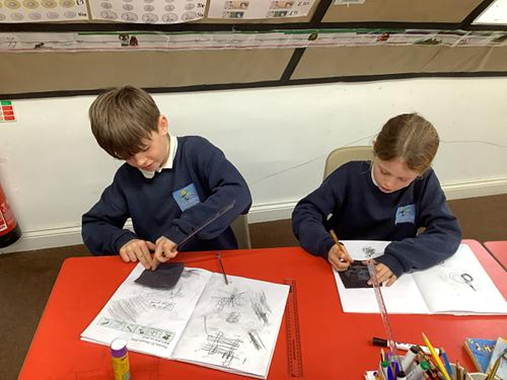
Children regularly use sketchbooks as a place to explore ideas, experiment with techniques and record their observations. These sketchbooks act as personal creative journals where pupils can take risks, develop ideas and reflect on their artistic journey.
The curriculum emphasises process over product, encouraging children to experiment with materials, explore creative possibilities and develop resilience when working through artistic challenges. Pupils study the work of a wide range of artists and makers and use this inspiration to inform their own practical work.
Skills and knowledge are revisited and developed over time, allowing pupils to deepen their understanding and build confidence in their artistic abilities.
IMPACT
The impact of the Art and Design curriculum at Holbeton Primary School is that pupils develop a strong sense of creativity, curiosity and confidence in their artistic expression.
Children are encouraged to reflect on their work and the work of others, using appropriate vocabulary to discuss techniques, processes and ideas. Through regular opportunities for discussion and evaluation, pupils gain a growing understanding of their own creative development and how they can improve their work.
Assessment is ongoing and is supported through observation, sketchbook work, discussions and finished pieces, allowing teachers to understand each child’s progress in both skills and creative thinking.
By the time pupils leave Holbeton Primary School they will:
- Produce creative work, exploring and recording their ideas and experiences
- Be confident in drawing, painting, sculpture and a range of art, craft and design techniques
- Use sketchbooks to develop, experiment with and record ideas
- Evaluate and discuss creative work using subject-specific vocabulary
- Understand the work of a range of artists, designers and craftspeople from different cultures and historical periods
- Meet the end of key stage expectations outlined in the National Curriculum for Art and Design
Pupils will leave Holbeton Primary School with the confidence, skills and creative curiosity to continue their artistic journey at Key Stage 3 and beyond.
Our DT Curriculum
INTENT
At Holbeton Primary School we follow the Kapow Design Technology scheme of work over a rolling programme. The scheme aims to inspire pupils to be innovative and creative thinkers who have an appreciation for the product design cycle through the formation of ideas, creation and evaluation. Pupils have the opportunity to develop the confidence to take risks, through drafting design concepts, modelling and testing and to be reflective learners who evaluate their work and the work of others. We aim to build an awareness of the impact of design and technology on our lives and encourage pupils to become resourceful, enterprising citizens who will have the skills to contribute to future design advancements.
IMPLEMENTATION
The Design and Technology National Curriculum outlines the three main stages of the design process: design, make and evaluate. Each stage of the design process is underpinned by technical knowledge which encompasses the contextual, historical and technical understanding required for each strand. Cooking and nutrition have a separate section, with a focus on specific principles, skills and techniques in food, including where food comes from, diet and seasonality.
The National Curriculum organises the Design and Technology attainment targets under four subheadings: Design, Make, Evaluate and Technical knowledge. These subheadings correspond to the Kapow Primary Design and Technology strands:
- Design
- Make
- Evaluate
- Technical knowledge
The scheme has a clear progression of skills and knowledge throughout these strands.
Six Key Areas:
- Cooking and nutrition
- Mechanisms/Mechanical systems
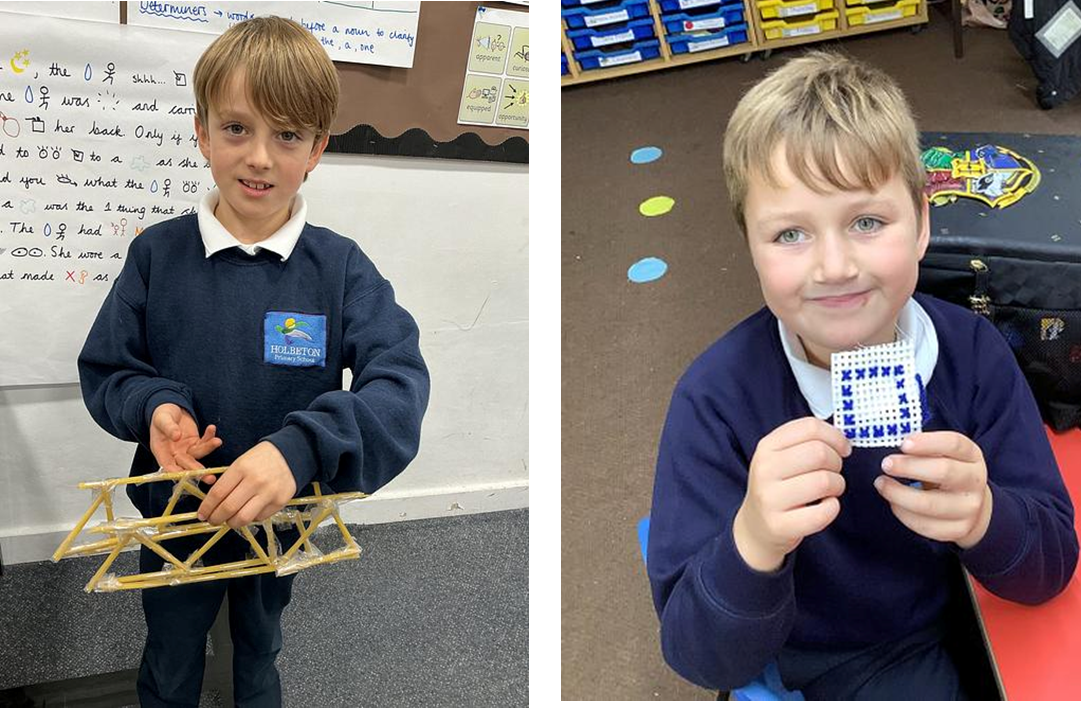
- Structures
- Textiles
- Electrical systems (KS2 only)
IMPACT
The impact of the Design and Technology curriculum at Holbeton Primary School is that pupils develop creativity, confidence and practical skills that enable them to design and make functional products.
Children learn to think critically about their designs, reflect on their work and suggest improvements. Through the process of designing, making and evaluating, pupils build resilience and independence while developing an understanding of how technology and design solve real-world problems.
Assessment takes place through observation, discussion and evaluation of completed projects, allowing teachers to monitor pupils’ progress in both practical skills and design thinking.
By the time pupils leave Holbeton Primary School they will:
- Develop creative and practical design skills
- Design, make and evaluate purposeful products
- Use a range of tools and materials safely and effectively
- Understand key concepts including mechanisms, structures and materials
- Apply knowledge of cooking and nutrition to prepare simple dishes
- Evaluate and improve their work using appropriate vocabulary
- Meet the end of key stage expectations outlined in the National Curriculum for Design and Technology